 Labrador
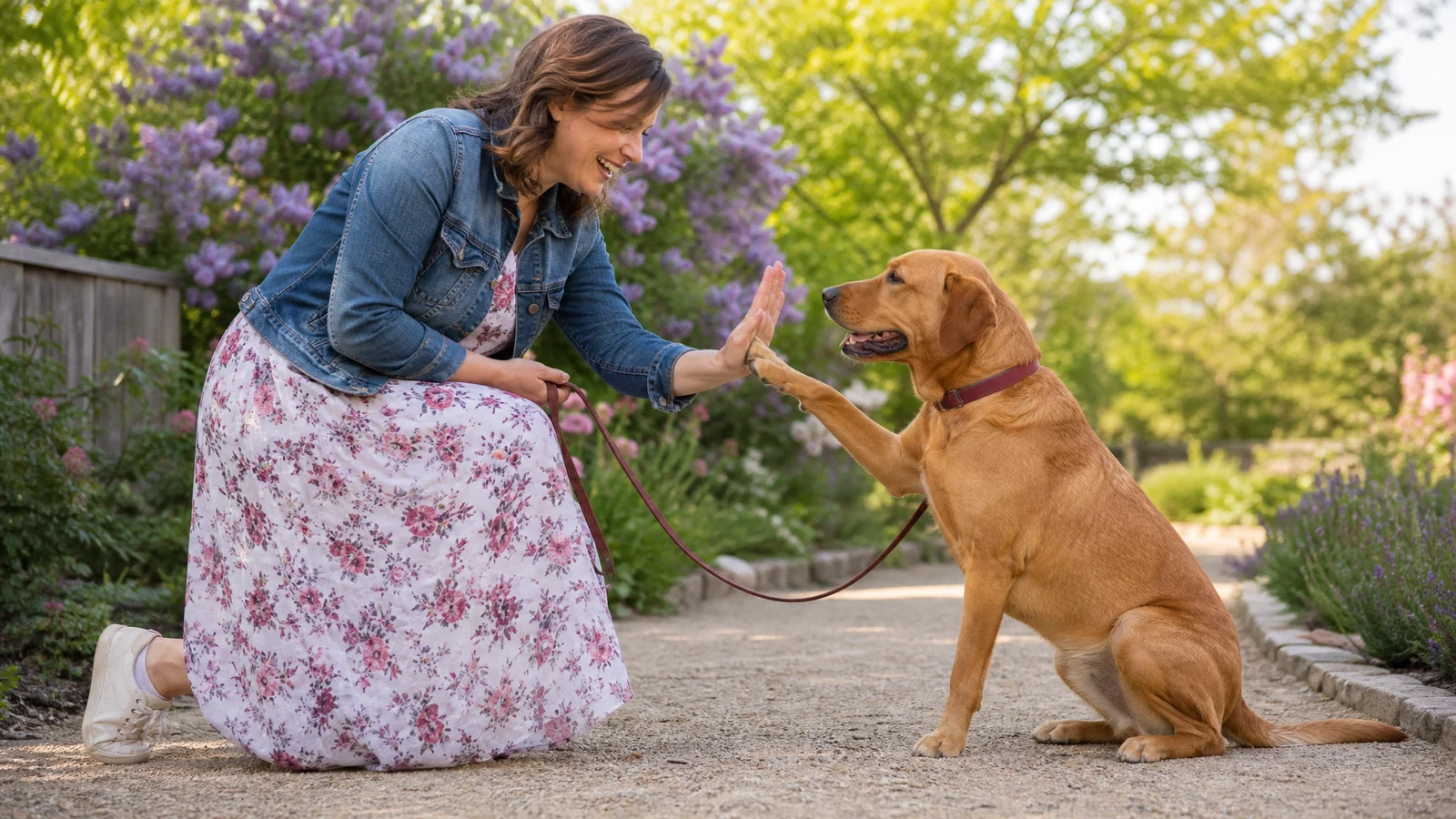
Yes, a Labrador Retriever is highly trainable, and the approach that works best is short, varied, reward-based sessions paid with food, play and praise. The breed was built to work closely with people, so your approval and your games are what they most want to earn.
Eager does not mean effortless. The Lab who learns "sit" in a single sitting is also the Lab who greets every stranger at full speed, and who gets bored when you ask for the same thing ten times. Done well, you get a willing partner for the 11–13 years that follow. Done badly, you get a big, strong dog who treats the whole street as a welcome party.
We'll walk you through where the breed's temperament comes from, then what eagerness really means, how to build a session and feed a training plan, how to raise a puppy, what an untrained Lab costs a household, the fixes for chewing, jumping and pulling, and a fourteen-day plan to start.
How Working Roots Shape Labrador Retriever Training
Almost everything you see at home traces back to the job. This is a retrieving breed, valued for a soft, gentle mouth for carrying things without damaging them, a keen love of water, and a temperament which writers as far back as 1873 said their usefulness depended on. A dog who works beside people all day cannot be sharp or shy, so breeders prized the opposite.
That disposition is why the Lab moved so easily onto the sofa. The written ideal is kindly, outgoing and tractable, and the breed is known for gentleness with everyone from infants to seniors. Real aggression or shyness in an adult Lab falls outside that ideal. If you see it, look at socialization and bring in a qualified professional instead of shrugging it off as "just the breed."
The retrieving instinct does not retire when the work does. Experts who know the breed put it bluntly: owners who don't want objects in the house picked up, moved and sometimes destroyed need to train for it and confine sensibly. Expect a mouth that is always carrying something. Teach what to carry, and you will complain less about what got carried.
What Does Eager to Please Mean in Training?
The AKC rates trainability at 5 of 5, the top of its scale, labeled "Eager to Please." In practice that means a Lab wants to earn your approval, not that they will do the same drill forever. Dr. Fran Smith, the Labrador Retriever Club's health chair, explains that Goldens love repetition whereas Labradors don't.
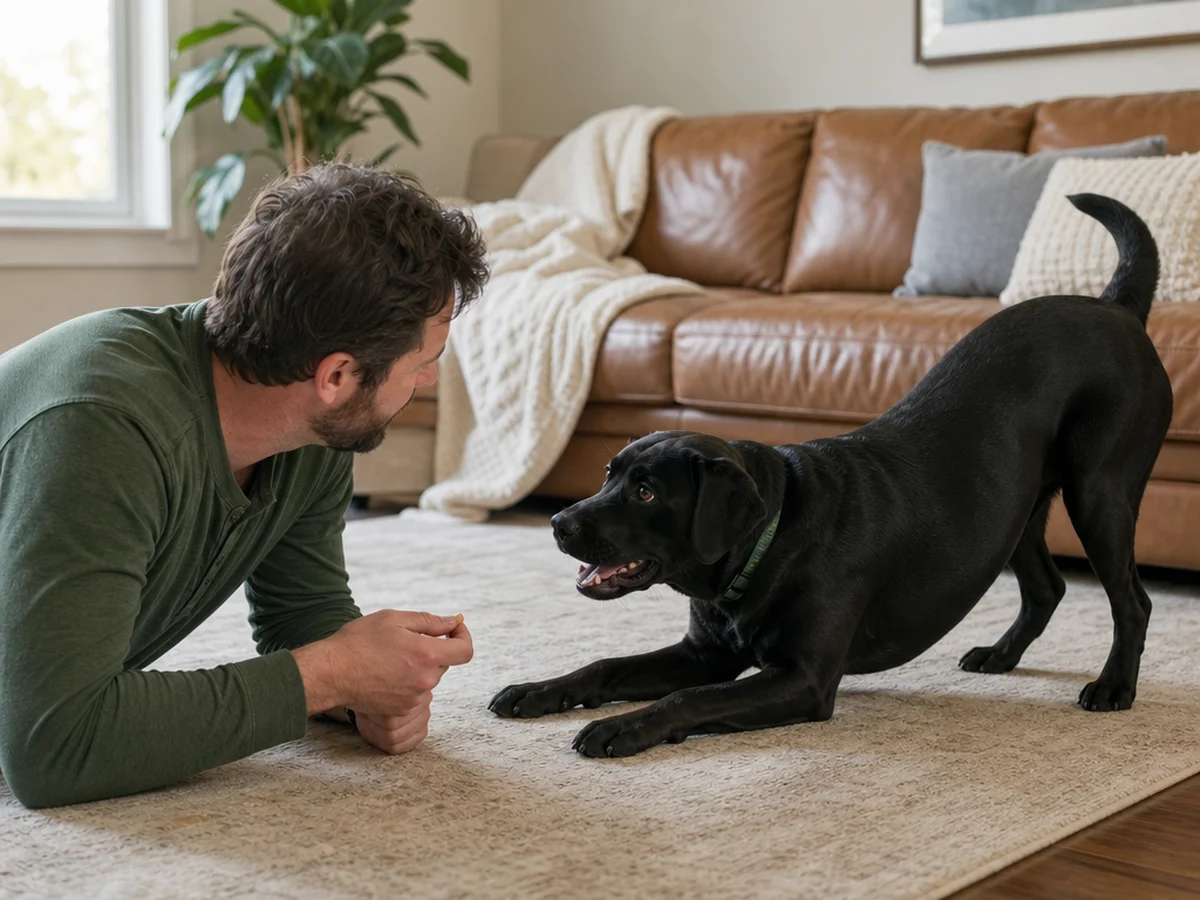
So a Lab will happily do ten different things but grows restless doing one thing ten times. Boredom rarely looks like refusal, so read the small signs:
- If the dog sniffs the ground mid-exercise, that drill has run its course.
- If they start offering random cues, they are guessing in order to add variety.
- If they grab a toy and wander off or begin mouthing your hands, the session has outlasted their interest.
Here we disagree with a common instruction. Advice to repeat a cue until it is perfect suits some breeds, but with a Lab a weak cue usually needs more places and more variety, not more repeats. If your Lab knows a cue at home and loses it outside, the cue is fine and the setting is the gap.
Some owners say first cues arrive fast. The hard part is holding them around people, other dogs and interesting smells. Puppies abandon fetch to chase a passerby, and adolescents still head for dogs they like. Owners report that recall improves slowly with age and is rarely called perfect. What helped was to keep practicing even when ignored and to turn "come" into a game, such as hide and seek after a stay.
Lines, Colors and Individual Dogs
People often ask whether "English" or "American" Labs train differently. Those pictures show the extremes and do not identify a dog's temperament or trainability. Most Labs, show or field bred, are moderate in build, and puppies in one litter can mature across the range.
Owners' reports cut both ways. Some owners of dogs they call English describe a calmer dog, while others describe a handful with little impulse control. Owners of dogs they call American or field bred often report very high energy, though a few report the opposite. Color stereotypes fall apart too, with calm yellows, wild blacks and dream-dog chocolates. Whatever the color or style, you train the dog in front of you.
Short, Varied Reward-Based Training Sessions
A good Lab session is a small tasting menu. Schedule it after exercise, because a top-energy dog learns best once the edge is off. Several owners say their Lab listens better only after enough movement, such as a ball game before guests arrive. Then follow this order:
- Open with something the dog already does well, so the first reward arrives quickly.
- Ask for a new or harder cue a few times, marking each success with a word and a small treat.
- Switch to a different skill, such as a settle on a mat or a hand target, before interest drops.
- Add a game: a short tug, a toss or a treat search.
- Finish on a cue the dog gets right, and stop while they still want more.
Stopping early is the point. A session that ends on a win leaves the dog looking for the next one. If play gets too rowdy, pause it calmly, wait for the dog to settle, then start again.
Paying With Food, Play and Life
Giving a dog something they really like for a behavior makes that behavior more likely, and a Lab offers several kinds of payment. Several owners use part of the daily meal as the reward, run sessions at mealtime, and hide kibble in treat searches for brain work. Play is a true second currency, since a thrown toy or a swim can replace a treat. Life rewards, like a walk through the door once the dog waits, pay for manners all day.
Food needs one adjustment for this breed. Some Labs gain weight easily, too many treats cause obesity, and extra weight stresses their joints. Count training treats inside the daily ration, keep pieces tiny, and in a growing puppy trade rewards against meals instead of adding them on top. A minority of Labs are fussy about kibble. If yours is, find a small soft treat they will work for and count it the same way.
This is general information only. Your veterinarian can tell you how much your Lab should eat each day and how training treats fit into that amount.
Rewards do not mean a lack of rules. Dogs learn best with structure, routine and guidelines, taught without fear or pain. For a Lab that means everyone in the house uses the same cues and standards, because easy learners pick up unwanted habits just as fast. If one person allows jumping up, the dog learns that jumping works.
Training a Labrador Retriever Puppy Right
Start the week the puppy comes home, at eight weeks or so. Teach a reliable recall first, since a friendly, fast dog who greets everyone is one open gate from trouble. Then teach sit and staying seated until released. For a longer menu by age, see our month-by-month puppy plan.
Socialization and Handling
Between 7 weeks and 4 months, gently expose the puppy to many people, places and situations. A puppy class is a good way to do it, if you visit first to confirm it is organized and safe. Dog parks are best skipped at this stage. Our guide to socializing a Labrador Retriever puppy covers the details.
Pair a weekly routine of nail trims, ear checks and mouth checks with treats. It keeps grooming and vet visits easy, and it helps during teething, which brings loose baby teeth around four to five months. Regular vet visits matter too, since growth brings new questions every few months.
Housetraining, Crate and Early Self-Control
Take the puppy out first thing after waking and then every half hour, rewarding with a treat each time they go outside. A crate helps because puppies do not want to soil their bed. Feed meals in the crate and add short stays after exercise. Some owners of young puppies say their pup could not settle alone and slept quickly once crated or penned for a nap.
Early impulse-control cues pay back for years. Teach a wait before meals until released, no running through an open door until released, and a trade for a found item. Keep walks short until six months, and avoid running or jogging until the joints have matured.
Why Is an Untrained Labrador Retriever Harder?
Size and friendliness together are the issue. The public finds an untrained Golden easier to deal with than an untrained Lab, and a Lab can weigh 55–80 pounds, loves everyone, and shows it with their whole body. If a dog that size has no manners, strangers, children and older people pay for it.
Left alone, untrained and poorly socialized, a Lab becomes destructive. They dig, chew and love mud and water. These are family dogs who belong indoors with their people, not parked in the yard. Daily exercise prevents much hyperactive and destructive behavior, and a daily job such as fetch or nose work covers the mental side.
Expect an adjustment period. Some owners of puppies and of adopted adults call the first weeks exhausting, and several owners of adopted dogs describe more energy, mouthiness or pulling than the shelter visit suggested. A few saw those dogs settle into excellent companions, but the time it took ranged from weeks to years.
Calm arrives slowly, and it varies. We reviewed 483 Labrador Retriever owners' first-hand accounts, and many place the first clear calm around three years, with reports from seven months to ten years. Some saw calm come in two steps, and a minority say their dog never really settled. Owners credit consistent training, such as rewarding calm and teaching a place cue, at least as much as age.
Training Fixes for Chewing, Jumping and Pulling
These three problems share a cause: a strong, social, mouthy dog with nothing better to do. The fix is the same each time. Manage the setting, teach the alternative, and pay for it.
Chewing
Chewing is a constant concern for the first year. Put anything you don't want chewed out of sight, supply plenty of chew toys, and trade for stolen items instead of chasing. Owners who started leave it and drop it early say those cues prevented accidents with dogs who wanted to eat everything. Rotate the toys to keep them interesting.
Jumping
Because the breed scores 5 of 5 for openness to strangers, greetings are a core job. Reward four paws on the floor and ask for a wait before the dog crosses any threshold. Our guide to stopping a Labrador Retriever from jumping on people goes deeper on the method.
Pulling
On walks, reward the dog for staying at your side and stop moving when the leash tightens. Exercise before a training walk helps a great deal. If food is ignored outdoors near traffic even though the dog focuses well indoors, switch to play or an easier setting and build up gradually. Our loose-leash guide has the full steps.
Your Fourteen-Day Labrador Retriever Training Plan
Plan on a few micro-sessions a day, one new skill every few days, and a check-in on day fourteen. The plan suits a puppy or an adopted adult, and each session should stay short, varied and end on a win.
| Days | Focus |
|---|---|
| Days 1 and 2 | Choose a marker word, pair it with a treat from the daily ration, and practice name response. |
| Days 3 and 4 | Teach sit, then add a wait for release at the food bowl. |
| Days 5 and 6 | Play "come" indoors as a game, adding a short stay before hide and seek. |
| Day 7 | Rest from new cues. Offer exercise, a swim or play, plus a gentle handling routine. |
| Days 8 to 10 | Add door waits, a settle on a mat, and a trade for a toy. |
| Days 11 to 13 | Repeat each cue in a new room, then the yard, then at a quiet distance from people. |
| Day 14 | Check in: which cues hold outside, which need an easier setting or a better reward? |
If a step goes badly, repeat it the next day in an easier setting rather than adding more. Your Lab is both eager and quick to tire of sameness, so the whole job is meeting those two facts: pay generously with small treats counted in meals plus play, change the game often, and put manners ahead of tricks. Meet their need for exercise and mental work, and you won't have to find out what they do when they invent their own.
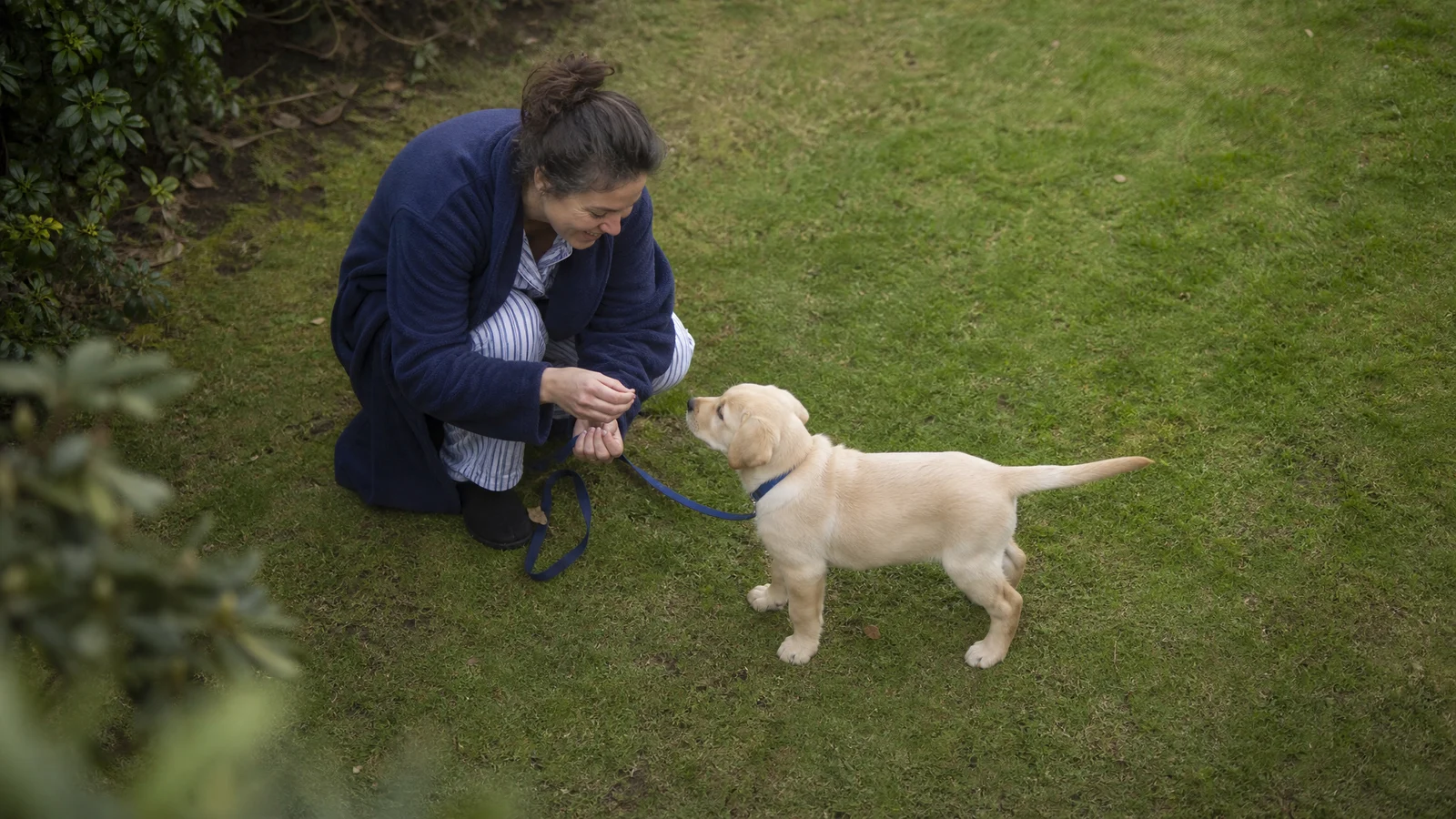 Puppy mouthingHow to Potty Train a Labrador Retriever Puppy
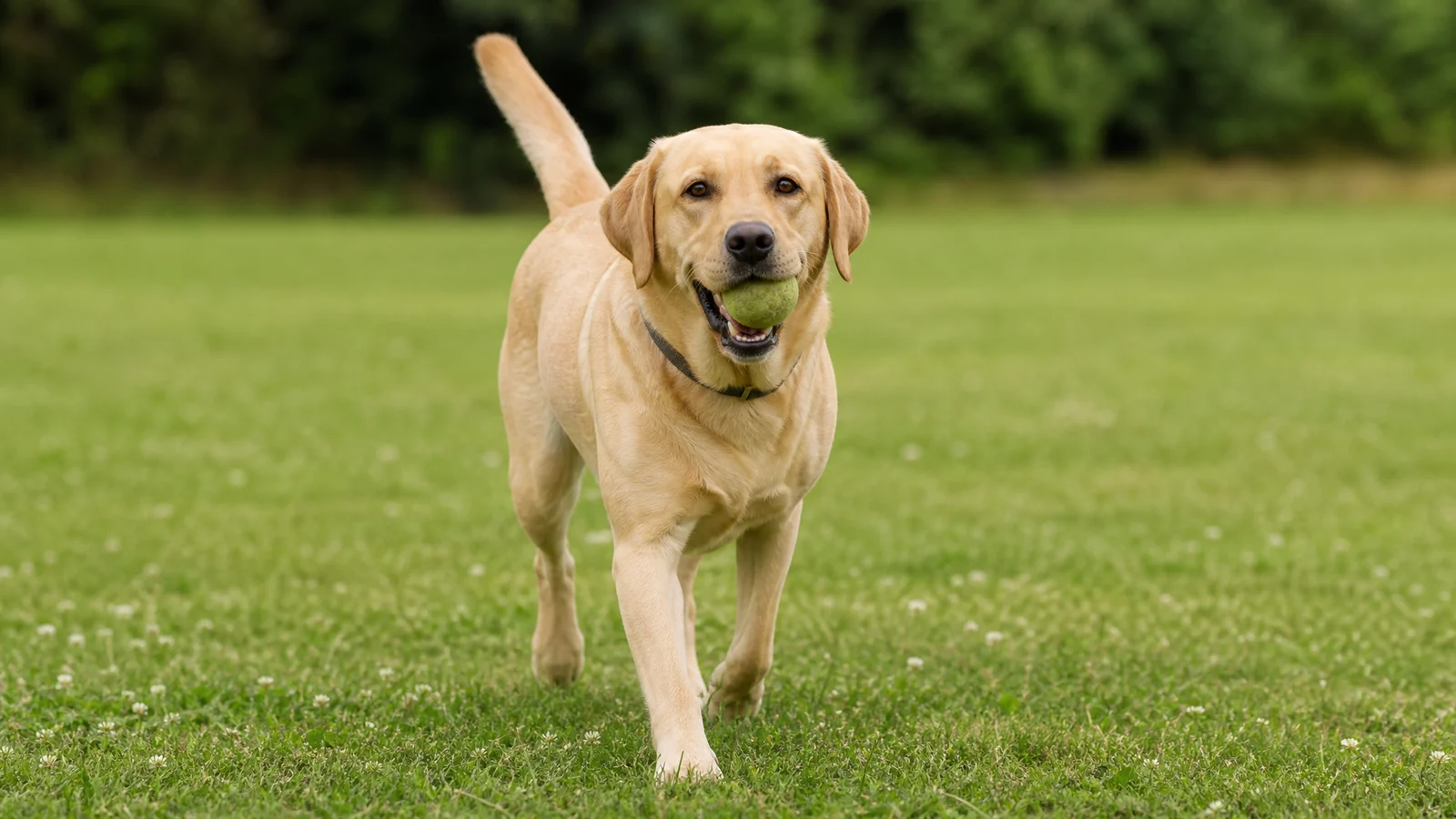 Exercise and jobsHow to Teach a Labrador Retriever to Fetch and Return
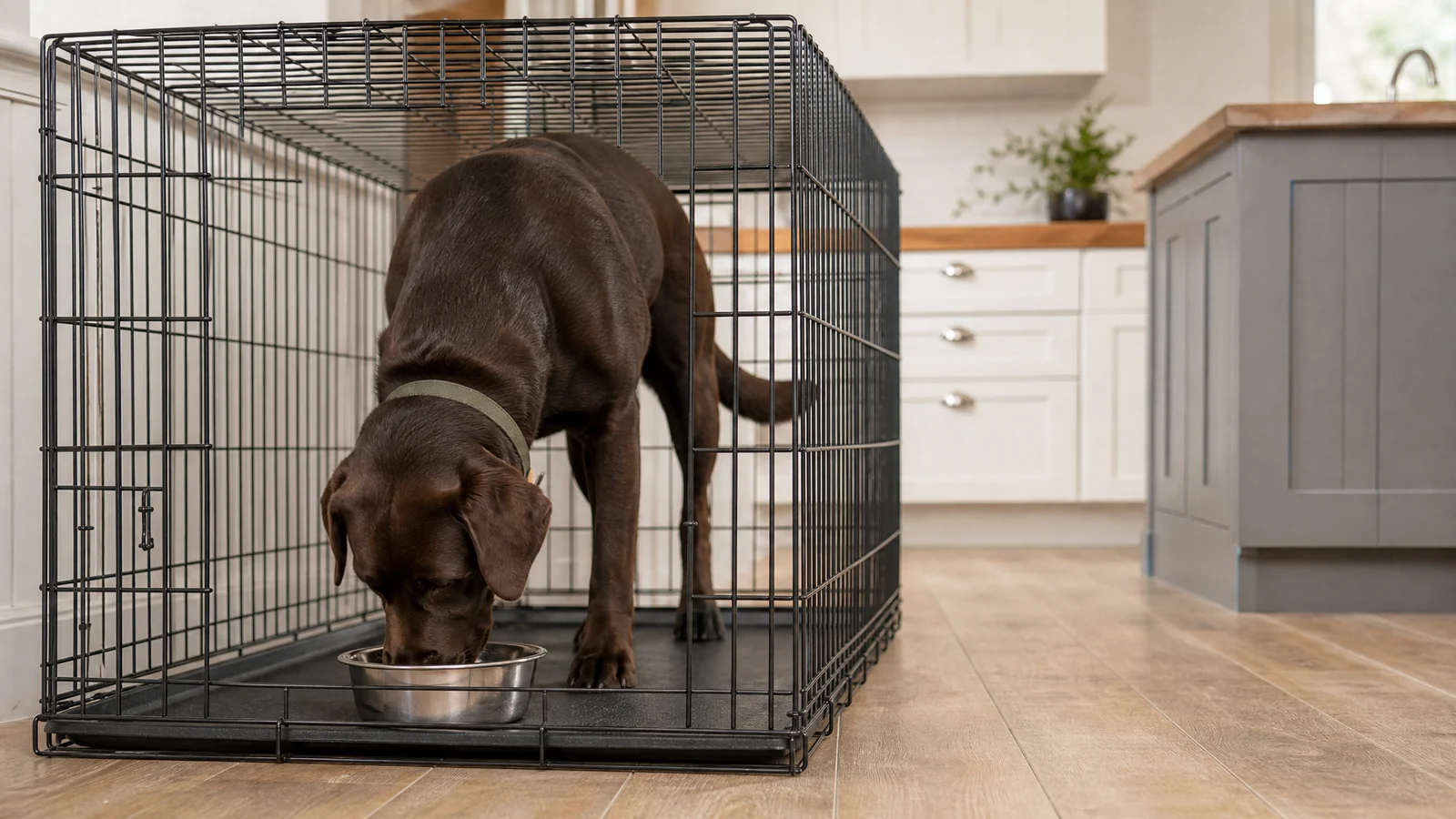 Time aloneCrate Training a Labrador Retriever and Choosing the Right Crate Size