 Labrador
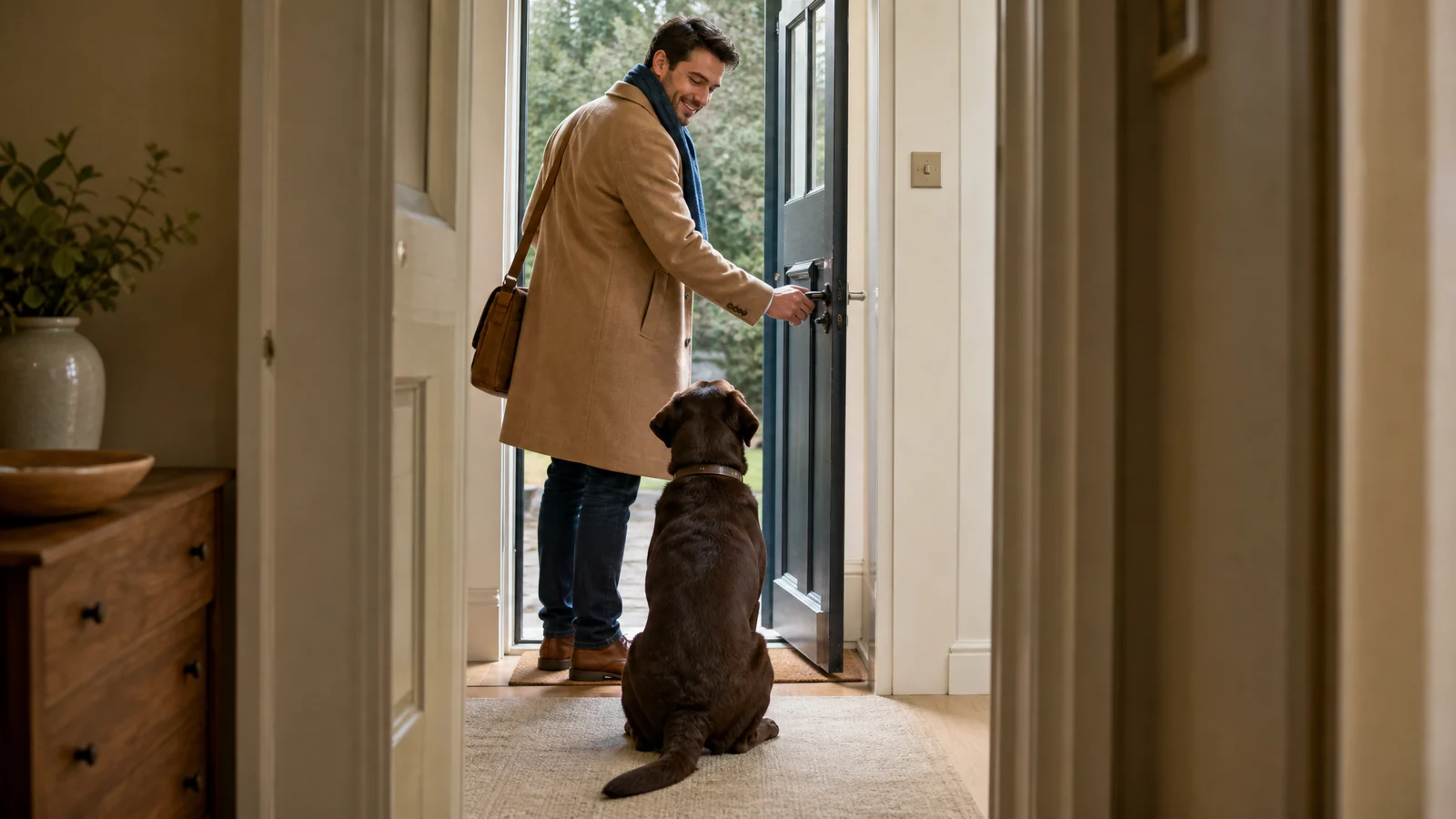
Picture the scene owners describe again and again. The gate swings open, the Lab shoots through like they were launched, and you stand there calling their name while they sprint off without a backward glance.
Nothing is wrong with your dog's ears. Labs are bold, bouncy and built to go for it, so a smell, a squirrel or a stranger will often outbid whatever you are offering. Among the 483 Labrador Retriever owners' accounts we reviewed, some describe first cues being learned quickly, with the real work being holding them in public.
In this article, we'll go through the recall, door and greeting habits, leash pulling, zoning out mid-drill, stays that collapse, choosing a class, and rehearsing for the Canine Good Citizen test. Done well, you get a dog who is a pleasure anywhere. Done badly, you get a strong, friendly dog nobody can manage.
Recall Obedience Lapses in a Labrador Retriever
You call, your Lab looks at you, glances at a passing dog and chooses the dog. That is not stubbornness. It usually traces back to a weak recall history: "come" repeated over and over with nothing happening, or "come" that always ended the fun. Meanwhile the competing reward, a dog to play with or a person to greet, was huge.
This is why recall comes first among the foundation skills. It keeps your dog safe around roads, other dogs and people, and it should start the day the puppy comes home. Make every return pay. Use part of the daily ration for everyday calls and save a few special rewards for the hardest ones.
Owners who got results made "come" a game. Try hide and seek: ask for a stay, hide around a corner, call once, then celebrate wildly. When your dog ignores you, don't nag from across the field. Go quiet, move closer and set up an easier repeat. Start training where your dog will happily eat, and build toward the street in small steps.
Expect this to improve slowly with age. Owners rarely call recall around dogs and people perfect, so keep practicing for life. If you are raising a puppy, our month-by-month puppy plan shows how to layer these skills.
Jumping Up and Bolting Through Doors as Obedience Gaps
You reach for the handle and your Lab is already through the gap, or you walk in with groceries and get a pair of paws on your chest. Both come from the same hole: nothing has taught your dog that waiting is what makes the good thing happen. A dog who just goes for it will take every opening you leave.

The fix is a sit that lasts until you release it, which the Labrador club names as an important foundation. Teach the release word as a short job. Ask for a sit, put a hand on the door, and open it a crack. If your dog stays put, mark and reward. If they move, close the door calmly and reset. Then say your release word and walk through together.
Owners value waiting at the bowl and the open door, along with settling and show-and-trade. Use the same word and rules at both, and make sure everyone in the house does too, because easy learners pick up bad habits just as fast. For greeting leaps, ask for the sit before any hello, as covered in our piece on the over-friendly Labrador Retriever.
Leash Pulling and Loose-Leash Obedience on Walks
Your Lab drags you down the street toward every smell, and when you finally arrive at the lamppost, the pull has worked. That is the whole cause. Forward motion is the reward, so every tight step teaches your dog that tight steps get them where they want to go.
The fix is brief and varied. Stop when the leash tightens, and start again only when it slackens. Reward position at your side with a treat. Change pace, turn, and drop a few treats on the ground so your dog's nose works for you. Then give a release word that means "go sniff," so the smells become a reward you control. Our full guide to loose-leash walking has the detail.
Energy matters too. Daily exercise prevents hyperactive behavior in Labs, so a dog who has had a run or a swim before the training walk has a better chance of listening.
Focus Loss During Obedience Drills
After a string of identical sits, your Lab's eyes glaze, then they wander off to investigate the carpet. That is boredom, not defiance. Breed people note that Labradors, unlike Goldens, do not love repetition, so a long drill of one cue wears out your dog's interest fast.
Keep sessions short and swap the activity after a few repetitions. Ask for a sit, then play a quick game, then try a trick, then scatter kibble for a treat search, which owners use as brain work. Owners who train mostly on their own describe it as time-consuming but rewarding, built from food, lots of praise and short games around the house.
Give tricks realistic timelines. Balance tricks such as sit pretty take months for a large Lab, with a long stretch of fluke successes along the way. Reward each small wobble toward the goal, then stop while your dog is still keen.
Sit and Stay That Fall Apart Around Distractions
Your Lab holds a perfect stay in the kitchen, then breaks the moment a dog trots past the pet store. The cue is not forgotten. You asked for more distance, more time and more distraction all at once. Owners say learning the cues is quick, and the hard part is holding them around people, dogs and scents.
Rebuild in small steps, changing only one thing at a time:
- Make the stay very short, with you right beside your dog, and reward at once.
- Add time while you stay close, and return to deliver the treat rather than calling your dog to you.
- Add distance only when the time is easy, a single step at first.
- Add a distraction, such as a toy on the floor, and drop back to a short, close stay.
- Take it outside, and when it falls apart, simply make the next try easier.
Some owners carry snacks for public sits, because the reward outdoors has to beat what the world is offering. Adolescents especially still go after dogs they like, so reward generously and keep expectations realistic.
Choosing an Obedience Class for a Labrador Retriever
Owners describe group classes and a few private sessions as mostly teaching the owner, keeping training on schedule and giving practice near other dogs. If a group is too exciting for your Lab to learn in, a few private sessions are a reasonable alternative.
Dog training is unregulated, with no licensing requirements, so you have to judge for yourself. Watch a session before you sign up, as Best Friends advises, and keep looking if anything makes you uncomfortable.
For a bouncy, food-driven retriever, look for a class that uses treats and play, runs short varied exercises, keeps the room small and calm, and requires vaccinations. A good session feels busy and upbeat, with breaks, and your dog leaves tired and happy. Owners' experiences with board-and-train programs are mixed, so a class where you do the learning is the safer bet.
Vaccine schedules and feeding plans differ from dog to dog. Your veterinarian is the right person to confirm which shots a class requires and whether training with the daily ration should change portions.
Rehearsing Obedience for the Canine Good Citizen Test
Passing the Canine Good Citizen test is a goal well worth setting for a Lab, and early training toward it sits alongside crate training, socialization and obedience class in the list of a young dog's needs. We won't list the evaluator's items here, so check the current rules before you book.
You can still prepare with everyday habits at home. Practice a calm sit for a friendly visitor while your dog stays on the floor. Walk a loose leash around the block. Rehearse sit, stay and recall with distractions, and reward a settle beside you while people pass.
Handling is practice too. Pair nail checks, ear checks and brushing with a treat so a stranger's touch is no surprise. Build up to quiet public places such as a park bench or a store entrance, keeping each outing short and rewarded.
Signs Your Labrador Retriever Is Ready, or Needs Help
Progress looks like small, repeatable moments. For this breed the goal is clear: meet your dog's boundless enthusiasm with short, varied, rewarded practice and consistent rules, so impulse control becomes the habit and not the exception. These signs show it is working:
- Your dog turns on a recall mid-sniff, even if they are slower to do it around other dogs.
- They hold a calm sit at the door until you say the release word.
- They greet a stranger with relaxed, wiggly manners and no leaping.
- They walk on a loose leash for stretches and check back with you after a sniff.
- They settle quietly beside you in public.
Bring in a professional when the problem is bigger than manners. Guarding food or objects, fear of people or dogs, or basics that stay ignored after weeks of consistent, fair practice are all red flags. Trainers teach skills such as sit, stay and recall, while behaviorists assess and change problems such as aggression. Keep up regular vet visits too, because a sudden change in behavior can have a physical cause.
For the full picture of how these pieces fit together, read our complete training guide.
 Training basicsLabrador Retriever Training: The Complete Guide for Owners
 Puppy mouthingHow to Potty Train a Labrador Retriever Puppy
 Exercise and jobsHow to Teach a Labrador Retriever to Fetch and Return