 Labrador
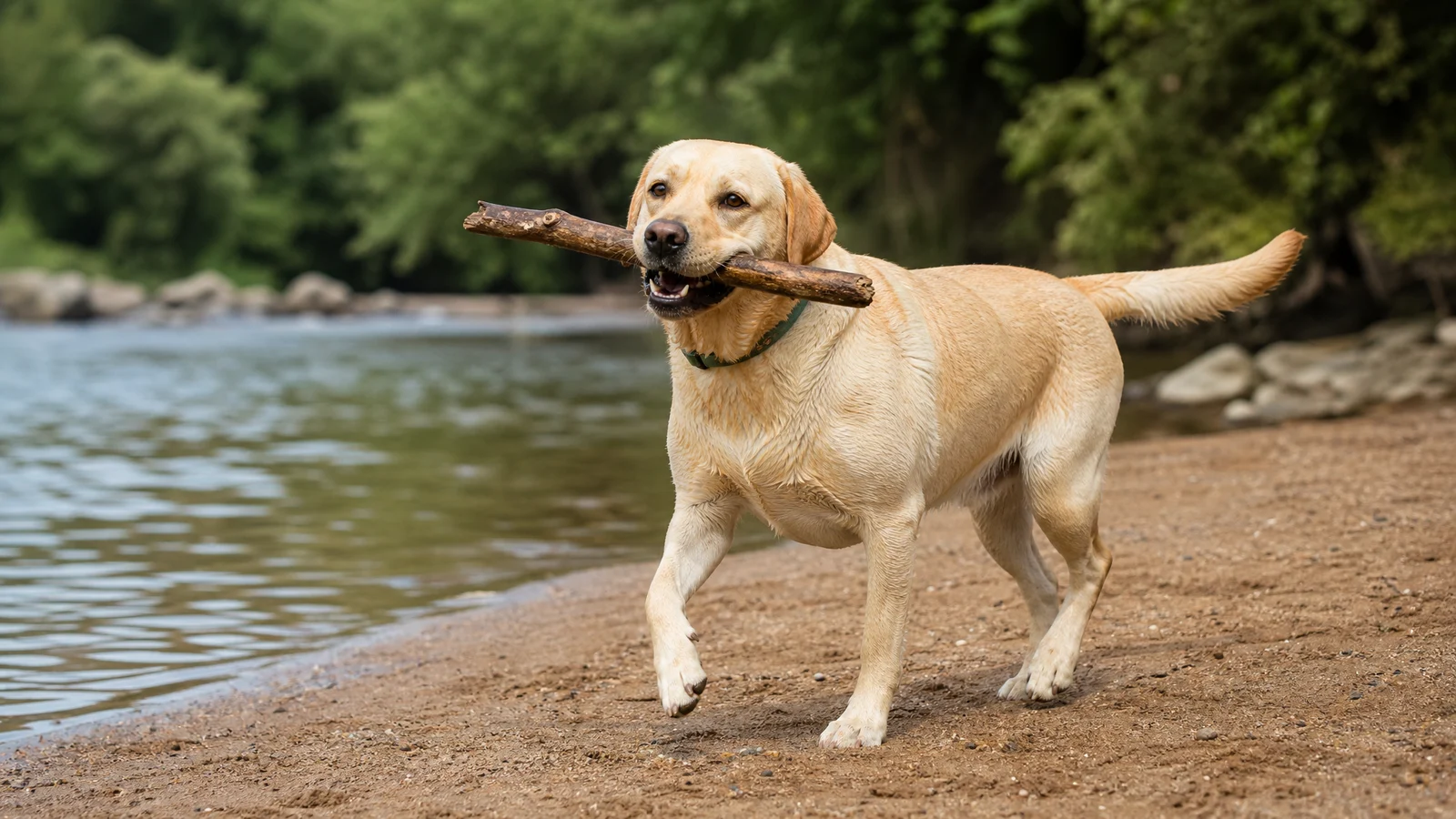
A Labrador Retriever picks up a sock, carries it through two rooms and settles beside a chair to chew. The pickup, transport and chewing are one sequence, but each step offers a different intervention. Closed storage prevents the pickup, a legal route supports carrying and a receiving station changes where the dog settles.
This guide covers that retrieve-carry-chew workflow. We will classify the sequence, secure household objects, practice safe deliveries, compare chew choices and audit behavior during absences. The aim is not to stop a retriever from using the mouth. It is to give carrying a safe destination and keep dangerous materials unavailable. Below, you will find room routes, station mechanics and an absence audit.
Labrador Retriever Carrying and Chewing Behavior
Record the first action. Some dogs pick up an object and parade without damaging it. Others settle and crush, tear or swallow pieces. A third group grabs objects mainly when people chase. Calling every event chewing hides the part of the sequence that needs changing.
An AKC expert article explains that retrievers may pick up, move and sometimes destroy objects, so owners need suitable training and confinement. That retrieving context explains the workflow without making household destruction inevitable.
Photograph damage and record the route. Note where the item began, where the dog carried it and where chewing happened. The favorite settling point may matter more than the original object location.
Number repeated locations on a simple floor plan. A route that always passes the laundry room needs a closed door before any training begins. A route that ends beside the family may call for a station close enough to preserve social contact.
Check the mouth and missing material. Broken teeth, bleeding, repeated swallowing, vomiting, abdominal discomfort or lethargy require prompt veterinary advice. Keep regular veterinary visits current and ask about abrupt changes in chewing or eating non-food items.
Labrador Retriever Chewing Behavior by Context
A dog may want a flexible item after activity and a food-filled item during quiet family time. Offer two approved choices on separate days and record duration, settling and wear. Preference is useful only when the item remains physically safe.
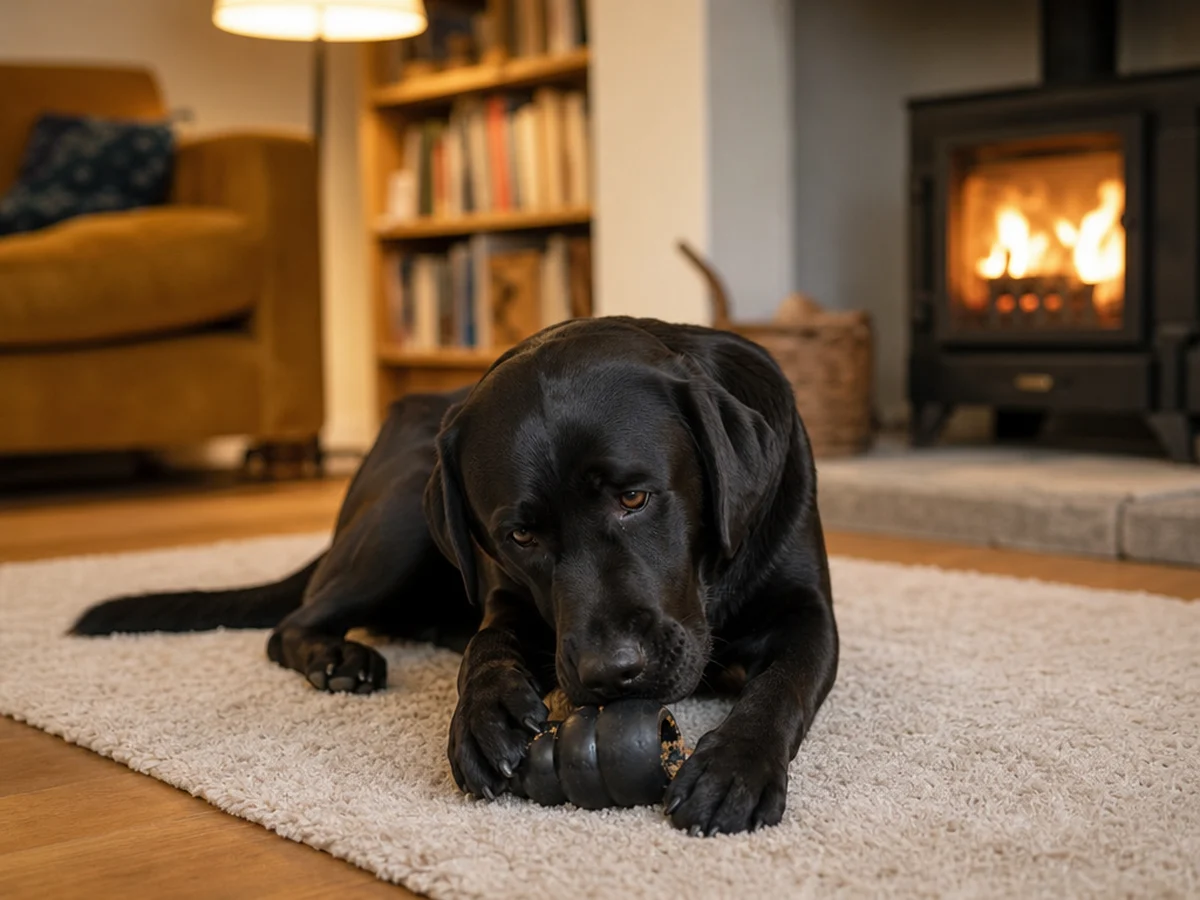
Compare posture as well as duration. Calm chewing includes a settled body and pauses. Fast repositioning, crushing pressure or attempts to hide the item may mean the choice is increasing arousal and should be removed through a trade.
Rotate a small collection instead of leaving every item available. Rotation makes preferences visible and reduces clutter. Store chews separately from children's toys so household rules stay clear.
Label the storage bin and keep a simple rotation card. Retire any item that no longer passes inspection. Replacing a worn favorite is safer than extending use because the dog prefers it.
Recovery Before Chewing
After exercise, add a transition before expecting rest. Offer water, a brief sniffing search and then the station. A Labrador Retriever who arrives home aroused may need help shifting states before chewing calmly.
For puppies, shorten sessions and check teething comfort with the veterinarian. For strong adult chewers, inspect more often and avoid assuming a product is safe because it is marketed as durable.
The site's Labrador Retriever training guide can support station and trade cues. Keep this workflow focused on location, object safety and the move from carrying to chewing.
Repeat the same station after several kinds of activity. A route that works after a quiet walk may need more distance and a simpler chew after swimming or energetic play. Record the transition that preserves calm.
Audit Labrador Retriever Chewing During Absences
Damage during departures needs its own evidence. The ASPCA notes that separation-related chewing may occur with vocalizing, pacing or house soiling. Use a camera for short, safe observations rather than assuming the cause.
Absence Area Controls
Prepare a dog-safe area the dog already knows. Remove cords, fabric, waste and small objects. Do not leave a new chew unattended merely because it worked during supervision.
Record the first five minutes after departure, the location of damage and whether the dog settles. If distress appears immediately, stop extending absences and consult a qualified professional. More exercise before departure may not resolve fear or panic.
Build an absence worksheet with departure cue, time to first movement, vocalization, object contact and time to settle. Review several short recordings. One dramatic clip should not erase evidence from calmer setups.
Keep departure cues separate from the carrying route. Keys, shoes and exterior doors can change arousal before an object appears. Record those cues so the consultant can see whether chewing begins as part of a broader departure sequence.
Compare absences with ordinary alone time while people are elsewhere in the home. The dog who settles behind a gate while a person showers but cannot cope with an exterior door closing gives a specific starting point.
The health article about a Labrador Retriever who swallowed something covers emergency planning. Prevention remains closed storage and an absence area without ingestible hazards.
Audit the area again after deliveries, laundry or visitors. Temporary objects often appear after the room was originally dog-proofed. The safe area is a repeated household task, not a one-time setup.
Audit the Retrieve, Carry and Chew Workflow
Use the table to identify the first preventable link. Do not deliberately plant unsafe objects to test the dog. Observe ordinary incidents and rehearse only with safe training items.
| Workflow point | Evidence | Management | Training job |
|---|---|---|---|
| Retrieve | Object removed from shelf or floor | Closed storage | Orient to a legal toy |
| Carry | Dog follows a repeated room route | Clear hazards and close side rooms | Guide toward receiving station |
| Chew | Dog settles and changes grip | Block favorite damage site | Trade for approved chew |
| Swallow risk | Pieces disappear or dog gulps | Remove access and call veterinarian | Professional safety plan |
PDSA describes chewing as normal behavior that can increase without enough appropriate activity. Use that as a prompt to examine the day, not as a reason to leave the dog with untested items.
Mark the transition from carry to chew. The dog may slow near a rug, turn into a quiet room or brace an object against furniture. That location becomes the first place to install a station or barrier.
Run the map at different times of day. Morning carry routes may begin with shoes near the door, while evening routes may begin with cushions or children's toys. One floor plan can hold several workflows.
Legal Labrador Retriever Carrying Behavior Routes
Choose one safe item large enough for the dog and durable under supervision. Begin a few feet from a mat. Present the item, move toward the mat and reward when the dog follows. The first goal is transport to a destination, not a formal retrieve.
Start with the station in plain view and the route free of furniture. When the dog can follow that path, shift the pickup point by a few feet. Avoid moving the destination and pickup together because the result becomes hard to interpret.
Hallway Route
Clear shoes, bags and children's objects. Walk from the pickup point to the mat without chasing or reaching for the mouth. Reward arrival, then trade for food. Return the safe object sometimes so delivery does not always end possession.
Yard-to-Door Route
Use a separate outdoor item that stays outside. Guide the dog to a marked drop area before opening the house door. This prevents a muddy object from becoming a fast indoor parade.
Visitor Route
Before guests enter, close storage and give the dog a known carrying item. The route ends behind a gate or at a mat away from coats and bags. Visitors should not chase or pull objects from the dog.
Keep routes short and repeatable. If the dog abandons the item, reward following the route anyway. The pathway should remain valuable without forcing the dog to carry.
Add a turn-around point before the station. Walk there, place a reward low and return together. This gives the handler a way to interrupt a route when the dog is empty-mouthed, without making every session depend on possession.
Use a Receiving Station for Labrador Retriever Chewing
Place a nonslip mat in a calm area near family activity. The station should not block a doorway or trap the dog. Add water and one inspected chew only when an adult can supervise.
Practice arriving without an object first. Reward four paws on the mat, a sit or a down, then release.
Practice while family members move nearby without touching the station item. The receiving area should remain predictable even when the household is active. If foot traffic crowds the mat, relocate it before adding objects.
Next add the safe carrying item and trade at the station. Keep hands low and still rather than reaching over the dog's head.
Humane World recommends supervised, suitable chew options and notes that a frozen rubber item may soothe teething gums. Ask the veterinarian which materials and fillings fit this dog, and remove items that crack or shed pieces.
Use a receiving basket for human handling after the trade. The person places the delivered object in the basket while the dog eats. This separates the dog's station from the place where recovered household items are stored.
Keep an inventory beside the basket. Record what arrived, whether the object was damaged and which room was open. The inventory can reveal one storage failure that repeatedly supplies the workflow.
- Inspect the mat and chew before use.
- Keep the station away from children's play.
- Trade rather than pry open the mouth.
- End before the item begins to break down.
- Record which choice supports calm settling.
Help for Dangerous Labrador Retriever Chewing Behavior
Contact a veterinarian promptly when material may have been swallowed, teeth are damaged, the mouth bleeds or chewing changes suddenly. Bring packaging or a photograph if safe. Do not induce vomiting without veterinary direction.
Bring in a credentialed consultant whose work is reward based when incidents involve departure distress, guarding, repeated ingestion or routes the family cannot manage safely. Share the workflow map and video observations.
Today, trace one object's path from pickup to settling place. Close access at the first unsafe link, then place one inspected carrying item on a clear route to the receiving station. A retriever can still carry and chew, but the household decides which objects and destinations make that sequence safe.
 BehaviorLabrador Retriever Food Obsession: Kitchen Rules That Stick
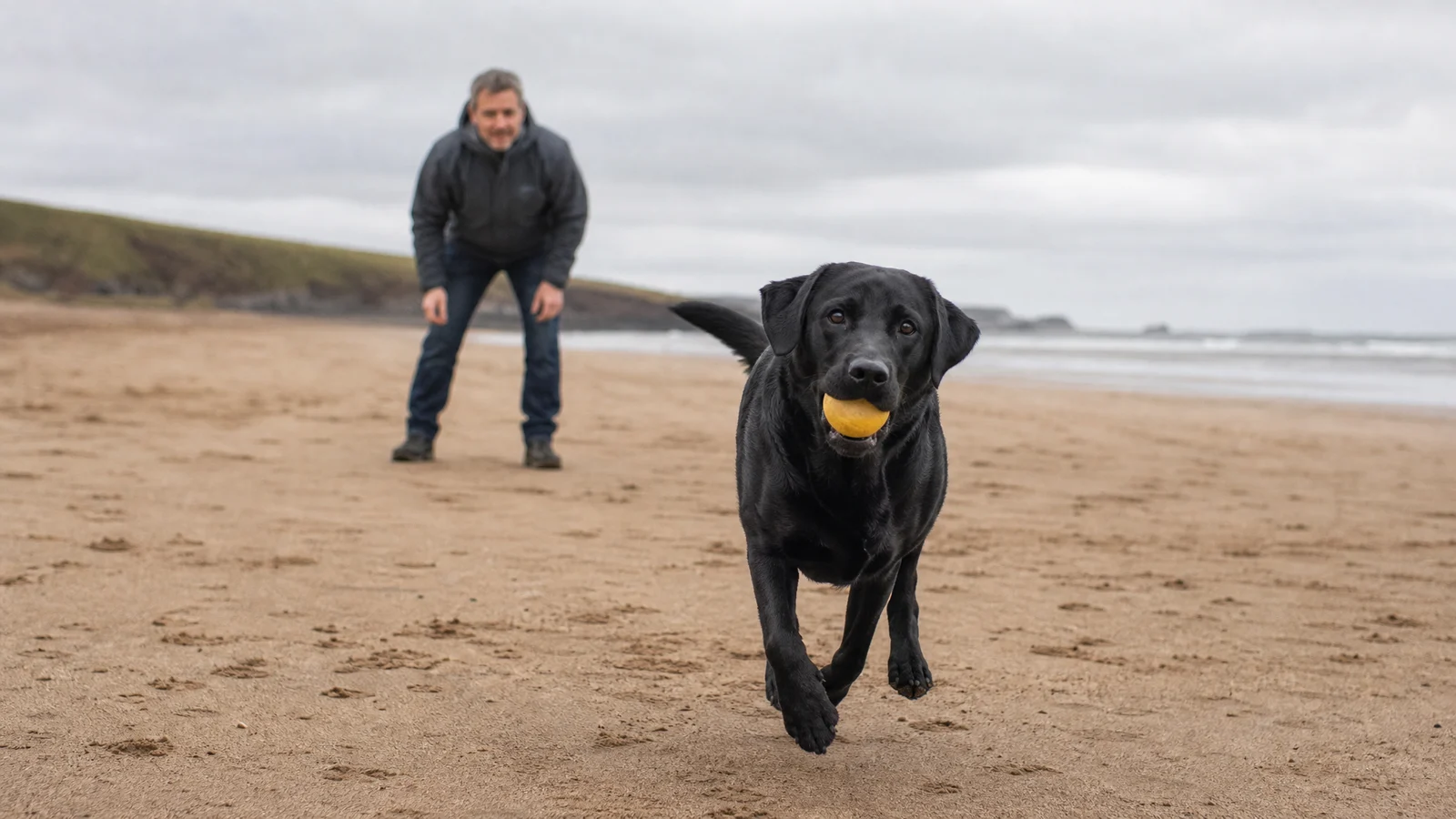 Exercise and jobsBall-Crazy Labrador Retrievers: Fetch Rules and an Off Switch
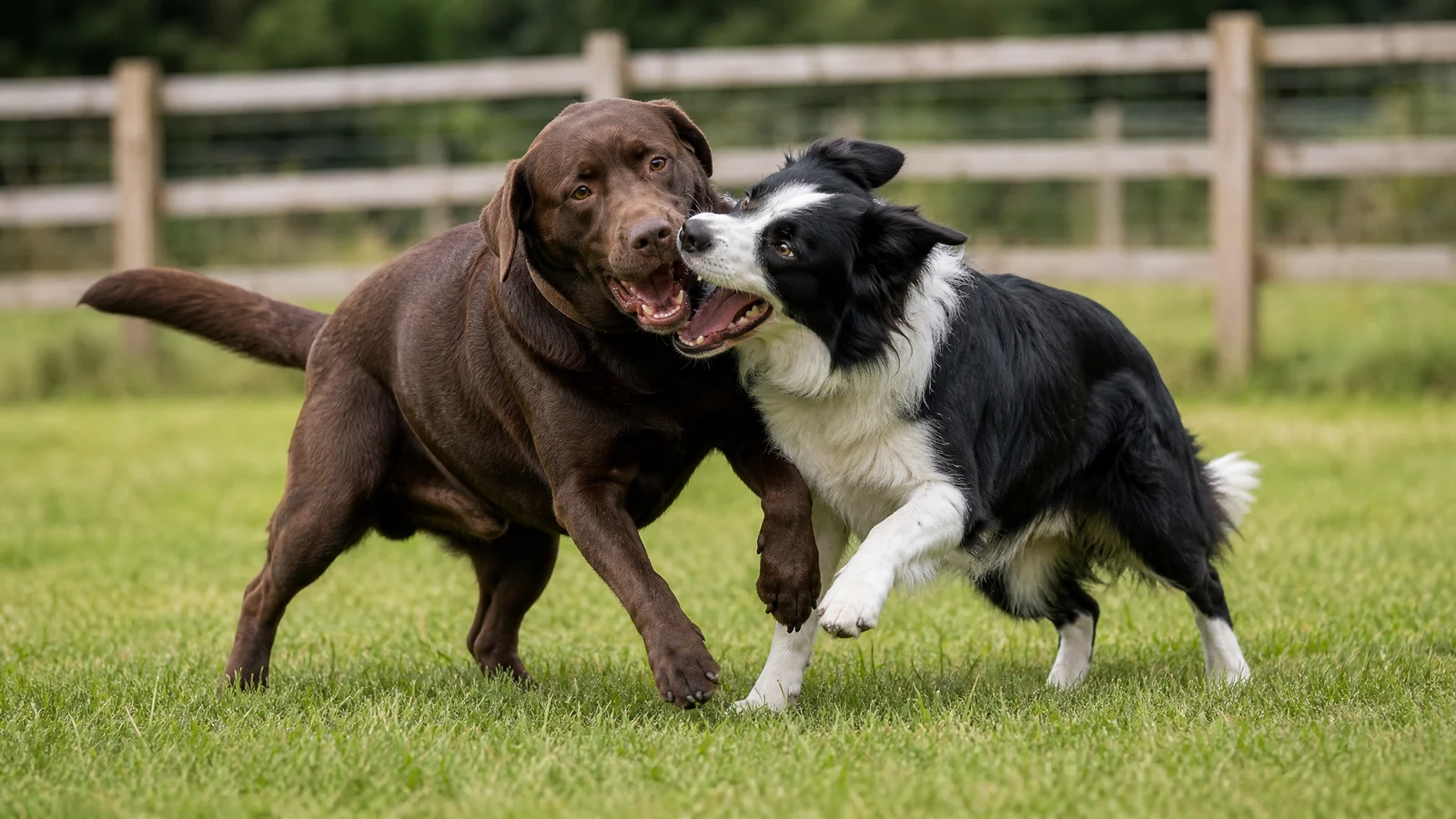 BehaviorWhen Labrador Retriever Play Gets Too Rough at the Dog Park