 Labrador
5 guides
Labrador behavior guides
A Lab with unmet needs finds outlets of their own, usually chewing and launching at guests, while a dog whose needs are met is the relaxed housemate owners describe. These guides sort behavior from exercise first, then deal with what remains. They cover the bounce that turns into bolting, counter theft and swallowed socks, a mouth that is always carrying something, greetings at the door, time alone for a dog badly suited to long stretches of it, and the zoomies that need an off switch. The written ideal for the breed is kindly, outgoing and tractable, so real aggression or shyness in an adult Lab calls for a qualified professional rather than a shrug.
 BehaviorHow to Stop a Labrador Retriever Jumping on PeopleA Labrador Retriever can reach a person's face before a treat hand reaches the floor.
 BehaviorLoose-Leash Walking: How to Stop a Labrador Retriever PullingA walk asks a Labrador Retriever to do several different jobs. Near the door, the dog needs to connect with the handler.
 BehaviorInstinct at Work as Labrador Retrievers Chew, Dig and Carry ThingsA Labrador Retriever picks up a sock, carries it through two rooms and settles beside a chair to chew.
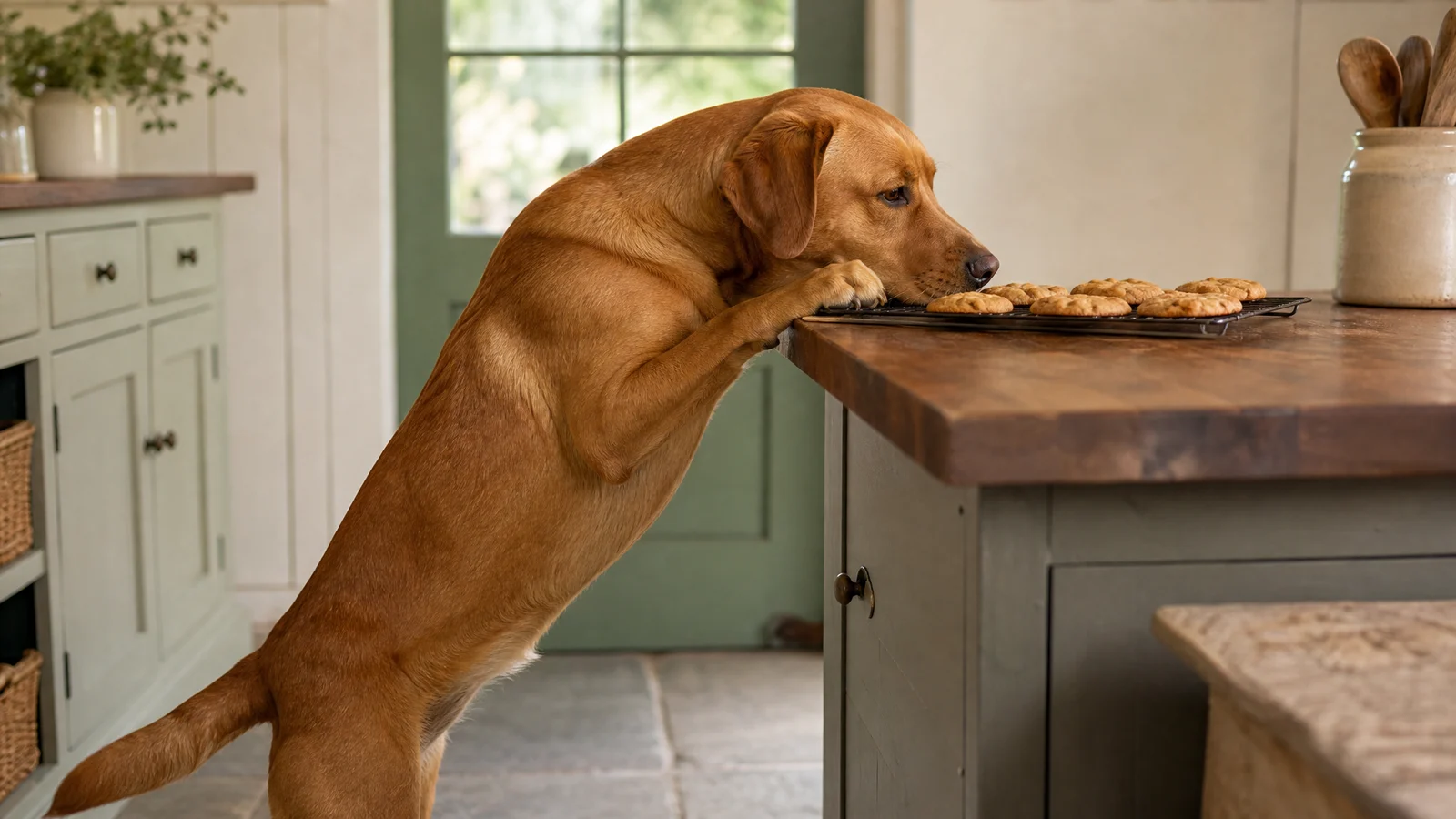 BehaviorLabrador Retriever Food Obsession: Kitchen Rules That StickAn empty kitchen becomes a worksite the moment groceries arrive, a cutting board comes out and people cross paths with hot dishes.
 BehaviorWhen Labrador Retriever Play Gets Too Rough at the Dog ParkTwo dogs may wrestle noisily and remain balanced, while a quiet chase can become one-sided.